

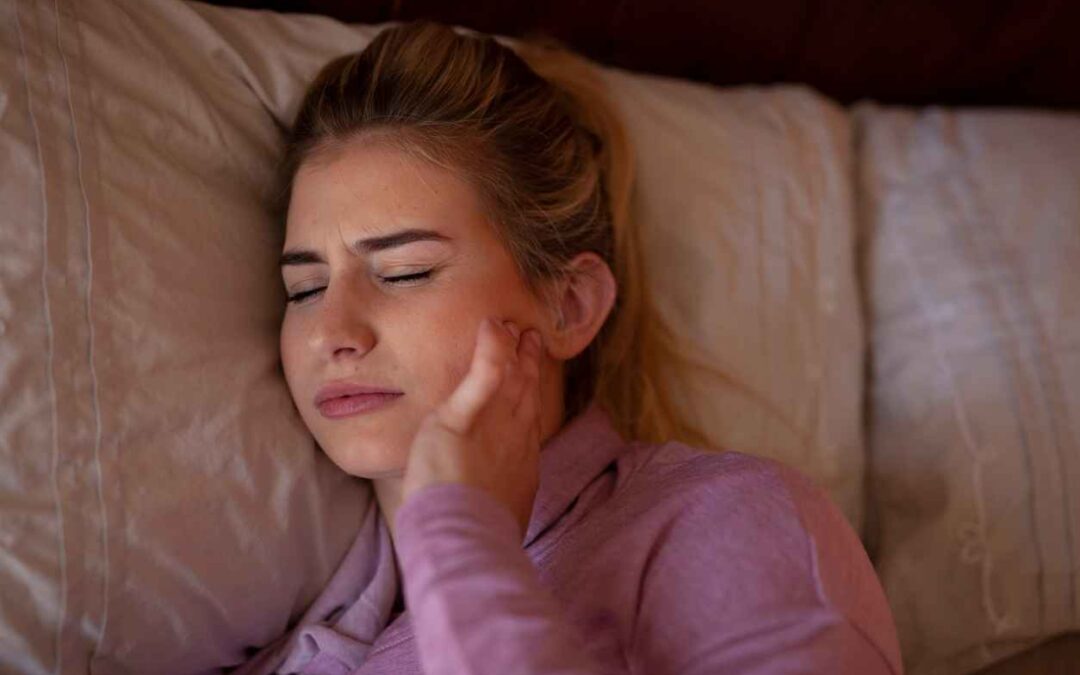
Do you wake up with jaw pain, headaches, or sore teeth? You may be experiencing nighttime teeth grinding, also known as sleep bruxism. Many people grind or clench their teeth while they sleep without even realizing it. Left untreated, bruxism can lead to tooth damage, jaw discomfort, and other oral health issues.
At Flatiron Family Dental in Manhattan, NY, we’re here to help you identify the signs of teeth grinding and recommend effective solutions to protect your smile.
What Is Nighttime Teeth Grinding?
Bruxism is the involuntary clenching or grinding of your teeth, most commonly during sleep. While occasional grinding may not cause lasting damage, chronic bruxism can wear down your teeth and place excessive stress on your jaw muscles and joints.
Because it happens while you’re asleep, many people don’t know they have bruxism until a dentist notices signs of wear or a loved one hears the grinding.
Common Causes of Teeth Grinding
Several factors can contribute to nighttime teeth grinding, including:
Stress and Anxiety
One of the most common causes of bruxism is emotional stress. Daily pressures from work, school, or life can lead to unconscious clenching while you sleep.
Sleep Disorders
Conditions such as sleep apnea or disrupted sleep patterns are often associated with nighttime grinding.
Bite Misalignment
When your teeth don’t fit together properly, your jaw may naturally clench or grind during sleep.
Lifestyle Factors
Excessive caffeine, alcohol consumption, and tobacco use may increase the likelihood of nighttime grinding.
Certain Medications
Some medications, including certain antidepressants, have been linked to bruxism as a side effect.
Signs and Symptoms of Bruxism
Many people don’t realize they grind their teeth until symptoms begin to appear. Watch for these common warning signs:
- Jaw pain or stiffness upon waking
- Frequent morning headaches
- Tooth sensitivity
- Worn, chipped, or flattened teeth
- Earaches without an ear infection
- Clicking or popping of the jaw
- Facial soreness
- Disrupted sleep for you or your partner due to grinding noises
If you experience any of these symptoms regularly, it’s time to schedule a dental evaluation.
Solutions for Nighttime Teeth Grinding
Fortunately, there are several effective ways to manage bruxism.
Custom Night Guards
One of the most common treatments is a professionally made night guard. A custom-fitted appliance cushions your teeth and helps prevent damage while you sleep.
Stress Management
Reducing stress through exercise, meditation, deep breathing, or relaxation techniques may decrease nighttime clenching.
Improve Your Sleep Habits
Maintaining a consistent sleep schedule and creating a relaxing bedtime routine may help reduce grinding episodes.
Limit Stimulants Before Bed
Try reducing caffeine and alcohol consumption in the evening, as both may contribute to nighttime grinding.
Treat Underlying Conditions
If sleep apnea or bite alignment issues are contributing to bruxism, your dentist can recommend appropriate treatment or refer you to the right healthcare provider.
Protect Your Smile While You Sleep; Schedule Your Appointment at Flatiron Family Dental
Teeth grinding can cause significant damage over time, but it doesn’t have to. At Flatiron Family Dental in Manhattan, NY, we use advanced technology and personalized treatment plans to diagnose bruxism and help protect your teeth for years to come.
Contact Flatiron Family Dental in Manhattan, NY, today to schedule a comprehensive dental exam. We’ll identify the cause of your symptoms and recommend the right treatment to help protect your smile.