
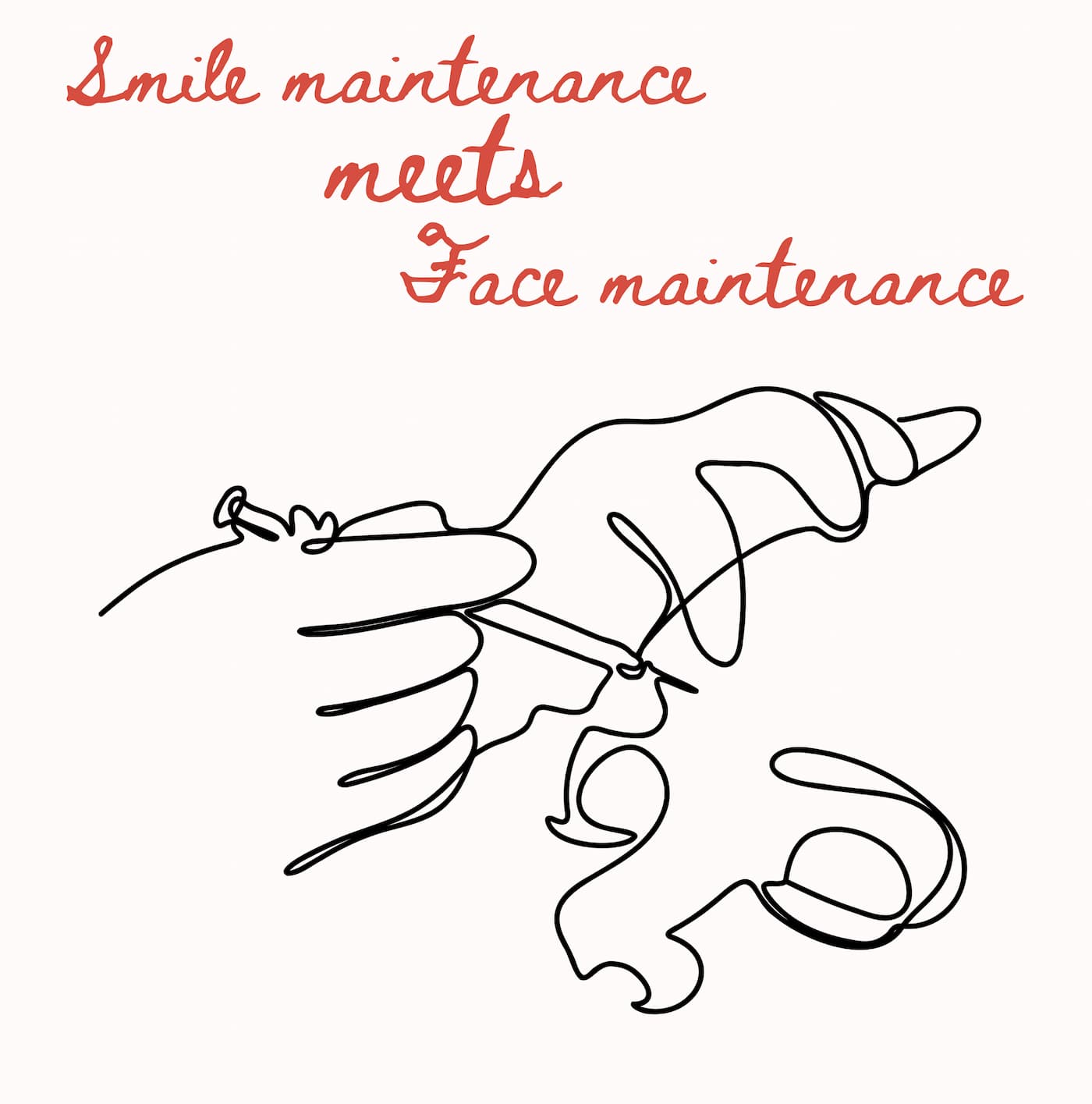
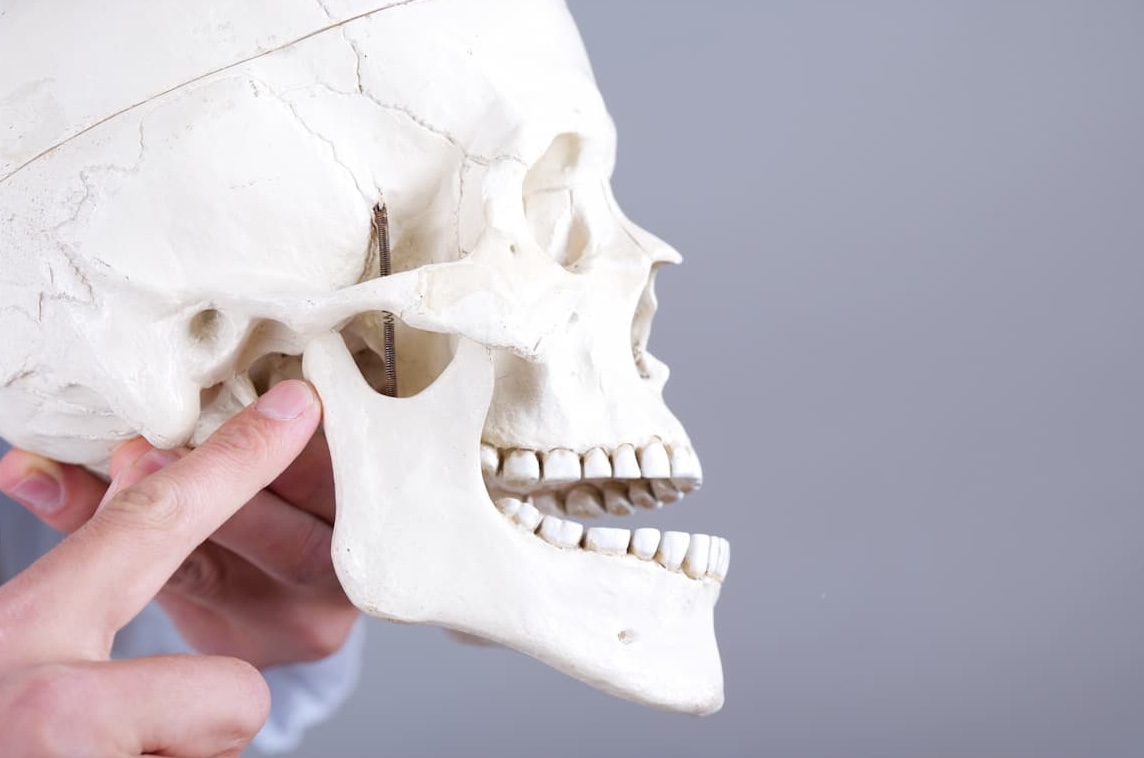
What is TMJ?
Think of it as the most active joint in your body—it’s responsible for everything from talking and chewing to yawning and laughing.
TMJ vs. TMD: What’s the Difference?
It’s common to hear people say, “I have TMJ,” but there is a small distinction:
- TMJ: The actual joint (the hardware).
- TMD: Temporomandibular Disorder (the software glitch). This refers to the pain, clicking, or tension that happens when the joint or the surrounding muscles aren’t working in harmony.
Is Your Jaw Controlling Your Day?
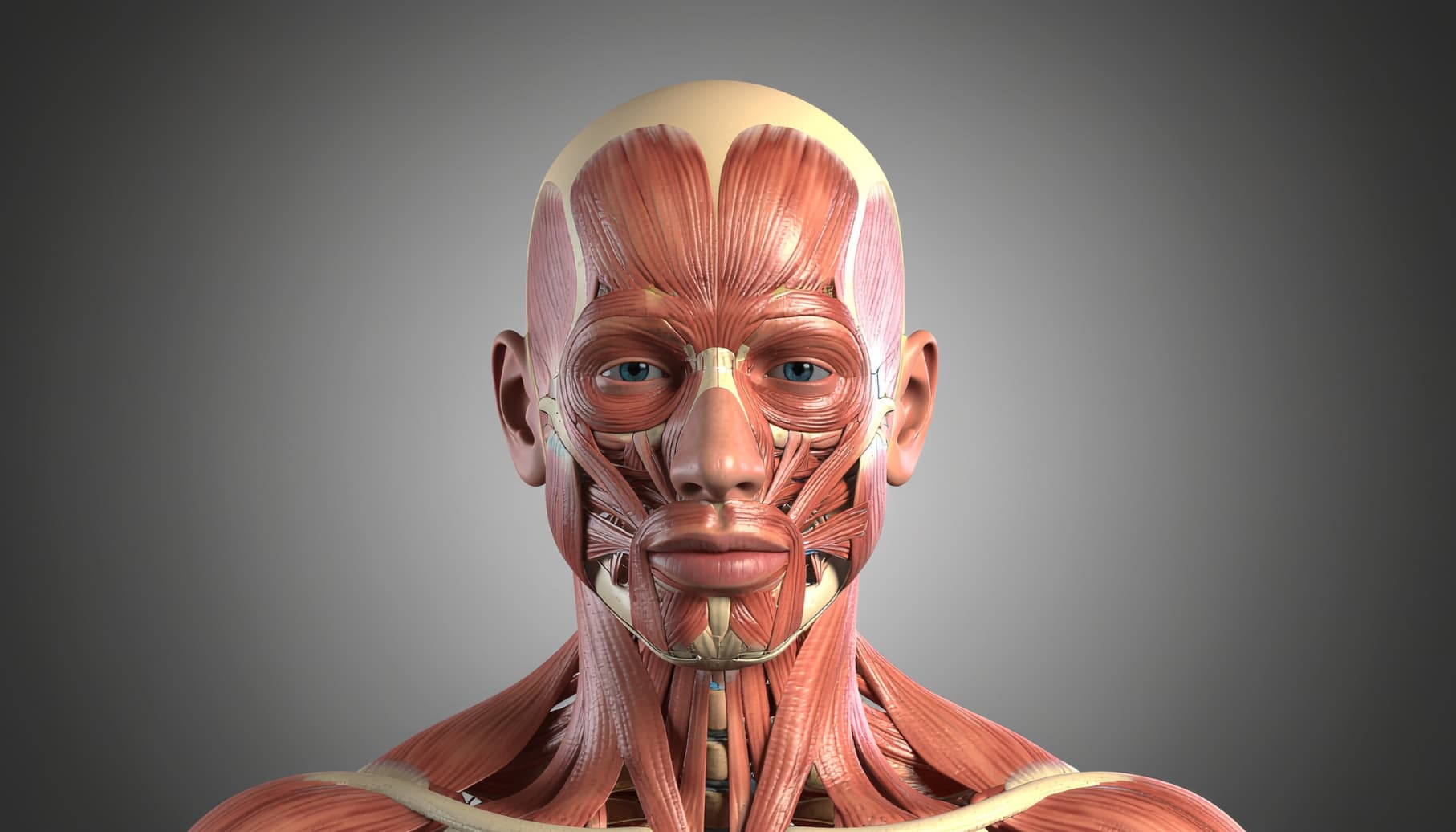
For many, TMD isn’t just a “click” in the jaw—it’s a systemic issue that affects your quality of life. When the muscles surrounding the TMJ are under constant tension, they don’t just stay tight; they refer pain to other parts of the head and neck.
Common Signs of TMD & Muscle Tension
- Morning Fatigue: Waking up with a “tight” jaw or a dull headache.
- Clicking & Popping: Audible sounds when eating or speaking.
- Pain When Chewing, Yawning, or Talking: Sharp or dull discomfort when eating firm foods, restricted movement accompanied by sharp pain.
- Tension Headaches: Radiating pain in the temples or “behind the eyes.”
- Ear Congestion: A feeling of “fullness” or ringing in the ears (tinnitus) despite having no ear infection.
- Lockjaw (Trismus): painful spasms that restrict jaw opening or a jaw that feels “stuck.”
- The “Migraine Connection”: Intense, throbbing pain often triggered by jaw clenching during sleep or high-stress periods.

Breaking the Cycle of Pain
Traditional treatments like nightguards are excellent for protecting your teeth from wear, but they don’t always stop the muscle contractions themselves. This is where neurotoxin therapy excels. By addressing the pain at the muscular source, we can effectively “reset” the system, providing relief that oral appliances alone may not achieve.
A Dental Approach to Total Comfort

Your First Visit: The Comprehensive Approach
Our Diagnostic Process
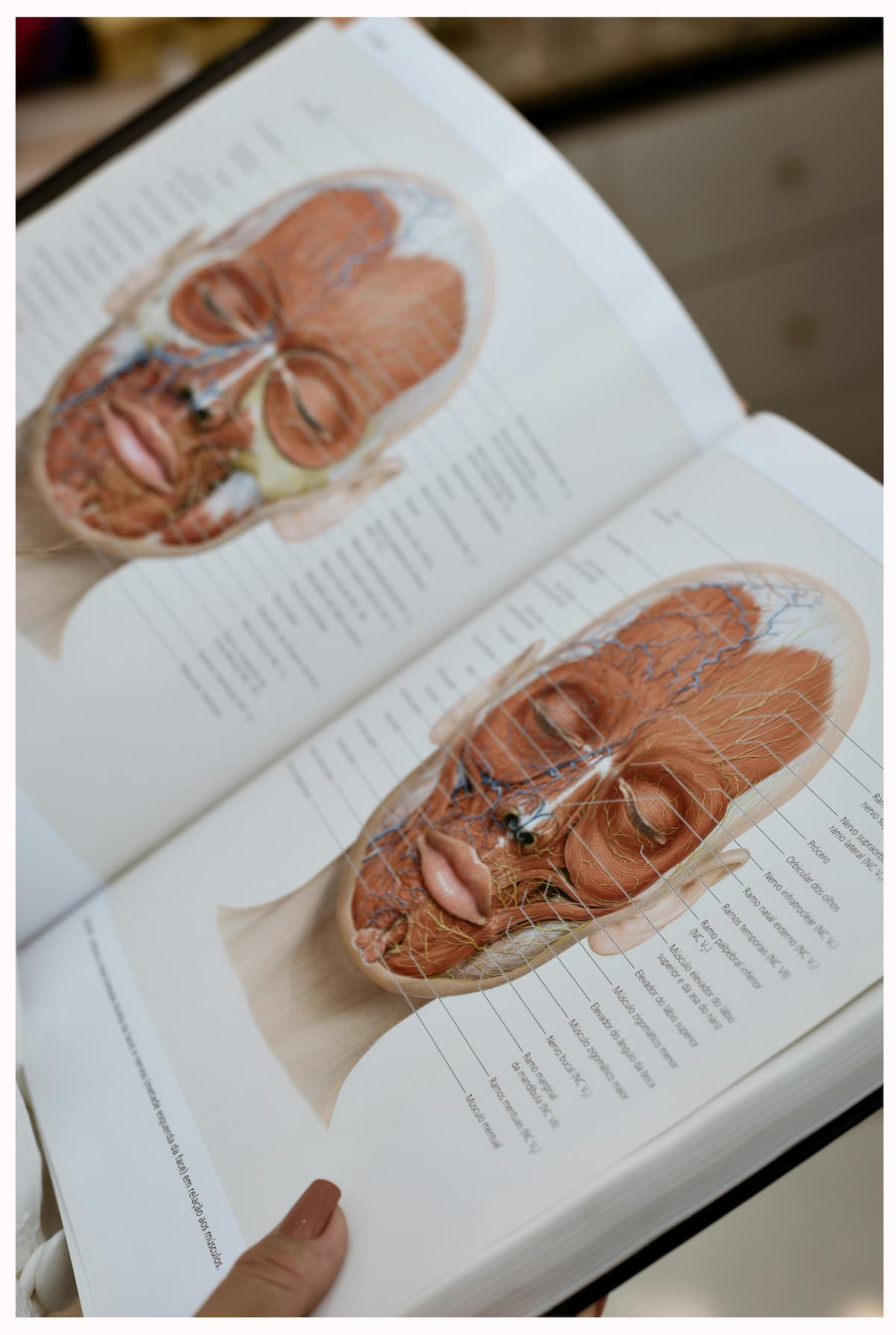
- Cranial Nerve & Muscle Pressure Testing: We systematically “pressure test” every muscle involved in jaw movement, from your trapezius (shoulders) and neck up to the top of your head.
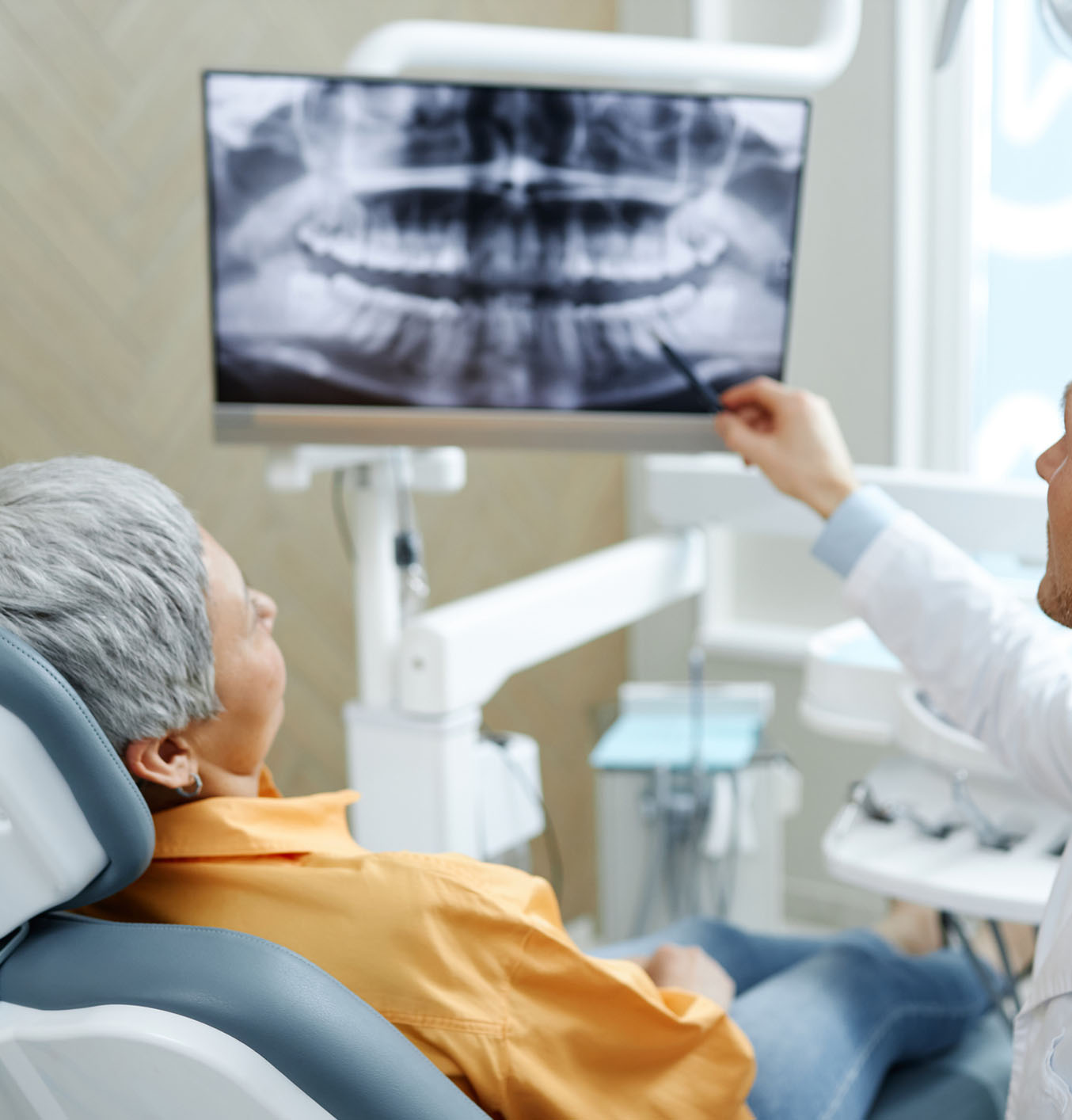
- Range of Motion Mapping: We take precise measurements of your jaw movement—including how wide you can open (incisal edge to incisal edge), as well as your side-to-side (lateral) and forward (protrusion) movements.
- Joint & Insertion Analysis: We examine the TMJ itself and specifically where the muscles insert into the joint to identify structural vs. muscular tension.

A Personalized Treatment Roadmap
Your body’s reaction to these tests dictates your specific course of treatment. By identifying exactly which muscles are overactive or guarded, we can apply neurotoxin therapy with surgical precision.
We don’t just “spot treat” the jaw; we treat every muscle involved in your pain cycle. This holistic, diagnostic-led approach is what allows us to provide long-term relief for even the most chronic cases of TMD and migraines.
Why Choose a Dentist for TMJ Therapy?
As dentists, our entire professional focus is the “masticatory system.” We spend years studying the intricate relationship between the bite, the jaw joint, and the facial nerves. This makes the dental office the most logical and safe environment for administering neurotoxin therapy for functional relief.
Frequently Asked Questions
How do neuromodulators help with jaw pain?
While often associated with smoothing wrinkles, neurotoxins are powerful muscle relaxants. When injected into the muscles associated with clenching or grinding, the treatment blocks the nerve signals that cause these involuntary actions. By calming these overactive muscles, the pressure on your TMJ is reduced, allowing the joint to heal and inflammation to subside.
Does the treatment hurt?
Most patients describe the sensation as a quick “pinch” or “bug bite.” We use very fine needles, and the entire process typically takes less than 15 minutes. There is no “downtime,” so you can return to your normal daily activities immediately after leaving our office.
How quickly will I feel relief?
While every patient is different, most people begin to feel a “softening” of the jaw tension within 3 to 5 days. The maximum relief for headaches and joint pain usually peaks at about 2 weeks after the procedure.
How long do the results last?
The effects typically last between 3 and 4 months. As the neurotoxin naturally wears off, the muscle activity will gradually return. Many patients find that with regular treatments, the muscles “learn” to stay relaxed, potentially allowing for longer intervals between appointments over time.
Will it change the way I look?
Because we are relaxing the masseter muscle (the large muscle at the corner of your jaw), some patients notice a slight “slimming” of the lower face over time. This is often a welcomed side effect for those whose jaw muscles have become enlarged from years of heavy clenching. Your natural smile and ability to chew remain unaffected.
Are there any side effects?
Side effects are generally mild, rare and temporary. They may include:
- Redness or minor bruising at the injection site
- A temporary “heavy” feeling in the jaw
- Mild, short-lived flu-like symptoms or a headache immediately following the session